
I posted on the valid HTML issue last year and thought I would check it out again. Since we are updating our corporate web site, we want to make sure that we get off on the right foot.
So, guess what? The same sites I checked last year for HTML validation still fail:
- ESPN.com
- Yahoo.com
- QVC.com
- Ebay.com
- and, yes, even the mighty Google.com
I even checked sites that had articles about the importance of Valid HTML. Guess what? They failed too. I am not going to post those sites here because I am not poking fun at anyone. If you want to find the same ones the I found, just Google “valid html” and you can check the sites that come up using the W3C HTML Validator Tool.
Don’t get me wrong, HTML should still validate. Valid HTML provides other benefits. Some people, for example, view web sites using special browsers that rely on accurate code. Additionally, search engine spiders can index valid HTML more easily. To me, those are the most important reasons to have valid html code, not good search engine rankings.
All of the sites listed above have great search engine rankings (of course they are HUGELY popular sites and that helps too). So, this makes me wonder exactly how important valid HTML is to good search engine rankings. Of course, this is a terribly simple little test and certainly is not an exhaustive test, but the results are interesting to me. If you have any comments, don’t be bashful ;).

Recent Posts
In Web Design
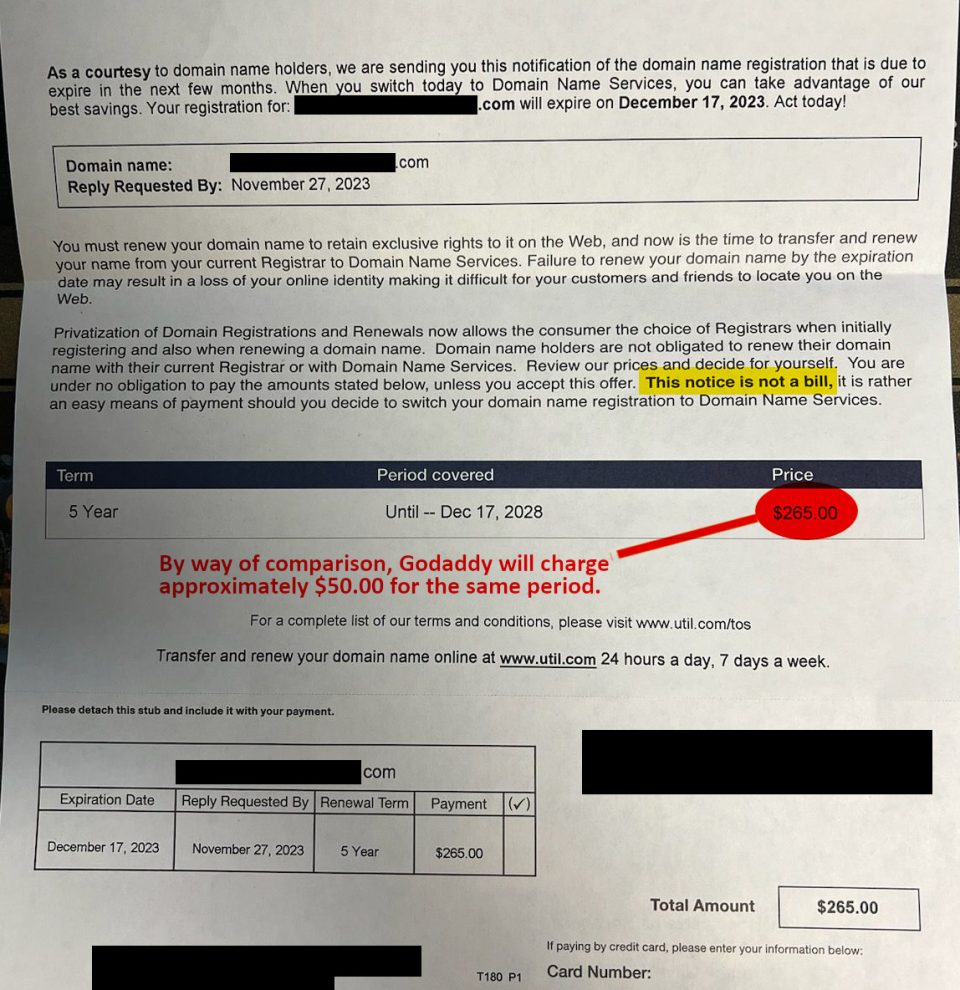
Domain Name Services Scam - Kind of
Jan 30, 2007
I posted on the valid HTML issue last year and thought I would check it out again. Since we are updating our corporate web site, we want to make sure ...
Web Design Basics
Jan 30, 2007
I posted on the valid HTML issue last year and thought I would check it out again. Since we are updating our corporate web site, we want to make sure ...

Three Common Web Design Mistakes
Jan 30, 2007
I posted on the valid HTML issue last year and thought I would check it out again. Since we are updating our corporate web site, we want to make sure ...
